

Are Insulated Foundation Systems Strong Enough for Concrete? A Closer Look at KORE’s Insulated Foundation System.

A common misconceptions about KORE’s Insulated Foundation System is that, because it is made from expanded polystyrene (EPS), it mustn’t be strong enough to withstand a concrete pour.
However, in practice the KORE insulated foundation system has been engineered to allow for strength, accuracy and ease of installation.
Built to Stay Straight and Secure
The system isn’t relying on insulation alone. It’s a fully designed structural setup, supported by key fixing components:
- M-Combs lock adjoining profiles together, maintaining tight joints and consistent alignment
- U-pins secure the system firmly in place, preventing movement during installation and pouring
- A minimum of three M-Combs per joint ensures rigidity across all connections
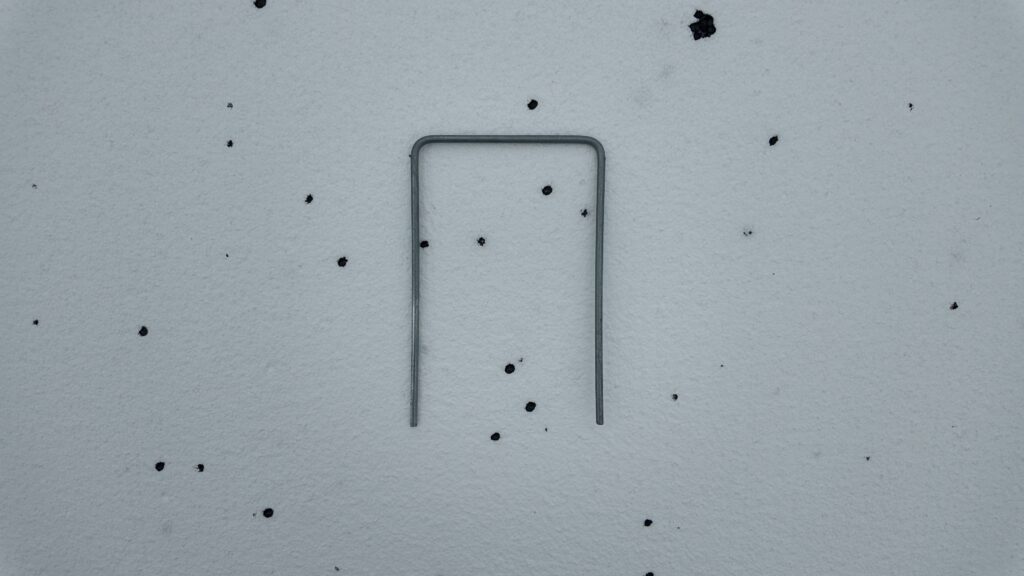

These elements work together to create a stable, interlocked structure that holds its position under load.
Designed for Accuracy On Site
Getting foundations straight is critical and the system is specifically designed to make that easy:
- Installation begins from the corners, working methodically across the footprint
- Pre-set string lines guide alignment and ensure profiles remain true
- Diagonal measurements are taken to confirm squareness before pouring
- String lines also help maintain plumbness across all edge profiles
Rather than complicating the process, the system actually simplifies achieving a precise, consistent finish.
Confidence During the Concrete Pour
With correct installation:
- Profiles remain secure and unmoved during the concrete pour
- Proper steel placement works in tandem with the system to maintain integrity
- The result is a true, level, and structurally sound foundation

The Reality
The idea that “it’s just insulation” overlooks the engineering capabilities behind the system.
The KORE Insulated Foundation System is not only strong enough it’s designed to deliver better alignment, faster installation, and more consistent results than traditional methods.